

Car shopping involves more than picking a color or body style. Powertrain choices now play a major role in cost, convenience, and everyday driving experience. Today, modern drivers have choices! Gas, hybrid, and electric vehicles each offer unique advantages depending on habits, commute length, and budget priorities. Understanding how each option fits into daily life helps narrow choices and leads to greater satisfaction long after the keys change hands.
Gas-Powered Vehicles and Everyday Convenience
Gas-powered cars remain the most familiar option for many drivers. Refueling stations exist almost everywhere, making long road trips and spontaneous travel simple. Purchase prices often run lower than hybrid or electric alternatives, and repair shops widely support gas engines.
Maintenance and ownership feel predictable for drivers accustomed to traditional vehicles. While fuel costs fluctuate, gas cars offer consistent performance without range concerns. For drivers with long commutes, limited charging access, or frequent highway travel, gas-powered vehicles continue to provide reliable and flexible transportation.
Hybrid Vehicles and Balanced Efficiency
Hybrid vehicles combine a gas engine with an electric motor , offering improved fuel efficiency without relying solely on charging stations. Energy recapture during braking helps recharge the battery, reducing fuel use during city driving. Many hybrids switch seamlessly between power sources, requiring little adjustment from drivers.
Hybrids appeal to drivers seeking lower fuel costs without changing daily routines. No plugging in is required for standard hybrids, yet fuel savings remain significant compared to gas-only models. City commuters and stop-and-go drivers often see the greatest efficiency benefits from hybrid technology.
Electric Vehicles and Emissions-Free Driving
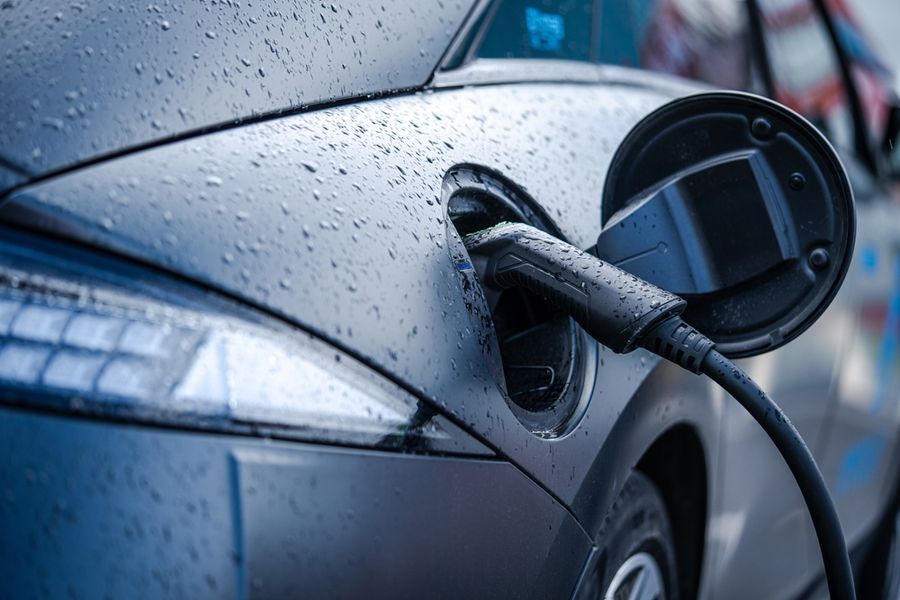
Electric vehicles operate entirely on battery power, producing no tailpipe emissions. Charging at home offers convenience and lower fueling costs compared to gas. Quiet operation and smooth acceleration add to driving comfort, especially in urban environments.
Charging infrastructure continues to expand, yet access remains an important consideration. Daily driving range varies by model, making route planning more relevant for longer trips. Drivers with predictable commutes and home charging access often find electric vehicles highly practical and cost-effective over time.
Cost Considerations Beyond the Sticker Price
Vehicle cost extends beyond purchase price. Gas vehicles often cost less upfront but may carry higher long-term fuel expenses. Hybrids balance moderate purchase prices with reduced fuel consumption, offering steady savings.
Electric vehicles typically cost more initially, though incentives and lower operating costs offset that difference over time. Reduced maintenance needs, fewer moving parts, and lower fueling costs improve long-term value. Evaluating total ownership cost rather than upfront price alone provides a clearer financial comparison.
Driving Habits and Daily Use Patterns
Lifestyle plays a major role in choosing a powertrain. Long-distance drivers may prefer gas vehicles for fast refueling and extended range. City drivers benefit from hybrids or electric vehicles due to regenerative braking and lower emissions.
Home charging access strongly influences electric vehicle practicality. Apartment dwellers without charging options may find hybrids more convenient. Evaluating commute length, travel frequency, and parking arrangements helps align vehicle choice with everyday needs.
Environmental Impact and Personal Values
Environmental priorities influence many car-buying decisions. Electric vehicles offer the lowest emissions during operation, supporting cleaner air and reduced carbon footprints. Hybrids also lower emissions compared to gas vehicles, especially in urban driving.
Gas vehicles continue to improve efficiency and emissions technology, though environmental impact remains higher overall. Choosing a vehicle aligned with personal values adds satisfaction beyond performance and cost. Environmental considerations often pair naturally with long-term planning and lifestyle goals.
Maintenance, Reliability, and Long-Term Ownership
Maintenance needs vary significantly across gas, hybrid, and electric vehicles. Gas-powered cars require regular oil changes, engine servicing, and exhaust system maintenance. Hybrid vehicles share some of those needs while placing less strain on the gas engine due to electric assistance.
Electric vehicles typically require the least routine maintenance. No oil changes, fewer moving parts, and reduced brake wear lower long-term service costs. Reliability improves when fewer components are involved. Understanding maintenance expectations helps drivers plan ownership costs more accurately and choose a vehicle that fits both budget and comfort level over time.
Matching Technology With Real Life
The right vehicle choice balances convenience, cost, and value. Gas-powered cars deliver flexibility and familiarity, hybrids offer efficiency without lifestyle changes, and electric vehicles provide long-term savings and environmental benefits. Each option fits different routines and priorities.
Understanding driving habits, charging access, and financial goals simplifies the decision process. A vehicle that supports daily life feels less like a compromise and more like a partner on the road. Thoughtful evaluation leads to confident choices and enjoyable driving experiences for years ahead.