

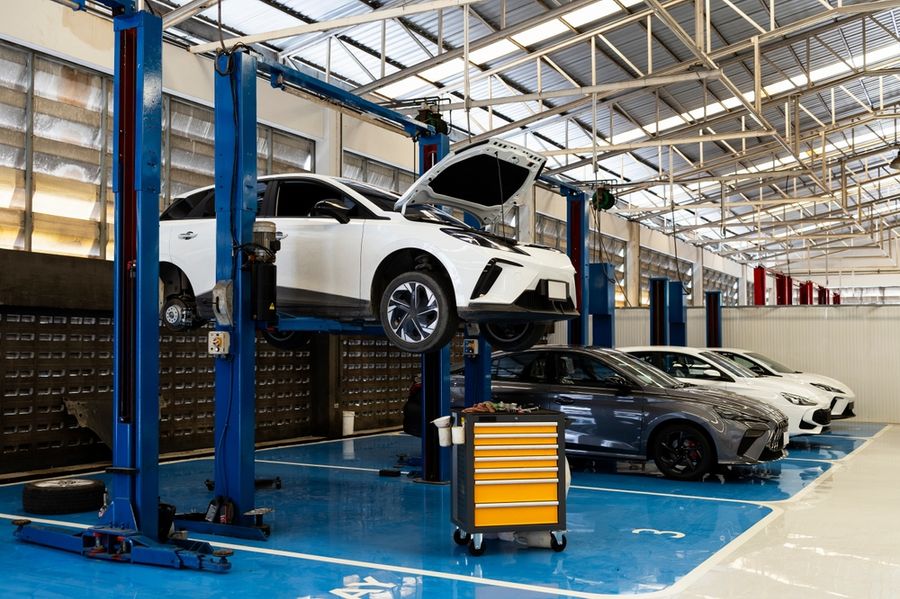
Car ownership often focuses on oil changes and tire rotations, yet many important maintenance tasks slip through the cracks. Over time, overlooked upkeep can quietly affect performance, safety, and long-term repair costs. Small components and routine checks play a bigger role than many drivers realize. Staying ahead of commonly forgotten maintenance helps vehicles run smoother, last longer, and deliver more reliable daily driving. A little attention now often prevents expensive surprises later and supports greater confidence behind the wheel.
Checking and Replacing Cabin Air Filters
Cabin air filters play a key role in air quality inside the vehicle. A clogged filter reduces airflow through heating and cooling systems, making temperature control less effective. Dust, pollen, and debris can also build up, affecting comfort and breathing.
Replacing a cabin air filter remains quick and affordable. Many drivers forget about it because symptoms appear gradually rather than suddenly. Poor airflow, lingering odors, or increased allergy symptoms often signal replacement time. Regular checks help maintain clean air and improve overall comfort for drivers and passengers.
Replacing Engine Air Filters for Better Performance
It's also important to inspect engine air filters. They protect the engine by preventing dirt and debris from entering critical components. When filters become clogged, airflow decreases, which can reduce fuel efficiency and engine performance. Many drivers overlook air filter replacement because symptoms develop gradually.
Checking and replacing engine air filters remains simple and inexpensive. Reduced acceleration, rough idling, or decreased gas mileage often signal restricted airflow. Regular replacement supports cleaner combustion and helps engines run more efficiently. Fresh air filters also reduce strain on internal components, contributing to longer engine life and improved overall performance.
Flushing Brake Fluid for Safer Stopping
Brake fluid absorbs moisture over time, which reduces braking efficiency and increases corrosion inside the system. Many drivers assume brake fluid lasts forever, yet contamination can compromise stopping power.
Flushing brake fluid restores proper pressure and responsiveness. Soft brake pedals or longer stopping distances often indicate fluid issues. Manufacturers recommend replacement intervals that vary by model, making it important to follow service schedules. Proper brake fluid maintenance supports safer driving and extends brake system lifespan.
Inspecting and Replacing Wiper Blades
Wiper blades face constant exposure to heat, cold, and debris. Over time, rubber edges crack or harden, reducing visibility during rain or snow. Streaking or squeaking often signals worn blades.
Replacing wiper blades improves visibility and safety during poor weather. Many drivers wait until heavy rain reveals problems, yet proactive replacement prevents dangerous driving conditions. Seasonal checks help ensure clear windshields year-round. Fresh blades provide better contact and smoother operation with minimal cost.
Monitoring Tire Alignment and Balance
Tire alignment affects handling, tire wear, and fuel efficiency. Misalignment often develops gradually due to potholes, curbs, or uneven road surfaces. Pulling to one side or uneven tread wear indicates alignment problems.
Proper alignment keeps tires wearing evenly and improves steering control. Balancing tires also reduces vibration at highway speeds. Regular checks extend tire life and support smoother rides. Addressing alignment early prevents premature tire replacement and improves overall driving comfort.
Cleaning Battery Terminals and Connections
Car batteries rely on clean, secure connections to deliver power. Corrosion on terminals restricts electrical flow and leads to starting issues. Many drivers only address batteries after failure occurs.
Cleaning terminals removes buildup and improves reliability. White or bluish residue often signals corrosion. Simple cleaning during routine inspections helps prevent no-start situations. Secure connections also protect alternators and electrical systems from unnecessary strain, improving long-term reliability.
Inspecting Belts and Hoses Regularly
Belts and hoses support critical engine functions, including cooling and power steering. Rubber components degrade over time due to heat and wear. Cracks, fraying, or softness indicate replacement needs.
Ignoring belts and hoses risks breakdowns and engine overheating. Regular inspections help identify early wear before failure occurs. Replacing aging components prevents roadside emergencies and protects engine health. Routine checks offer peace of mind and reduce unexpected repair costs.
Small Maintenance Steps That Protect Big Investments
Routine maintenance tasks often feel easy to postpone, yet small oversights can create larger problems later. Staying proactive with forgotten upkeep supports safety, efficiency, and long-term vehicle value. Consistent care helps vehicles perform at their best under daily driving demands.
Building maintenance reminders into schedules simplifies ownership. Attention to overlooked details reduces stress and repair expenses while improving reliability. Thoughtful maintenance choices protect both the vehicle and the driver, creating smoother, more confident driving experiences for years ahead.