

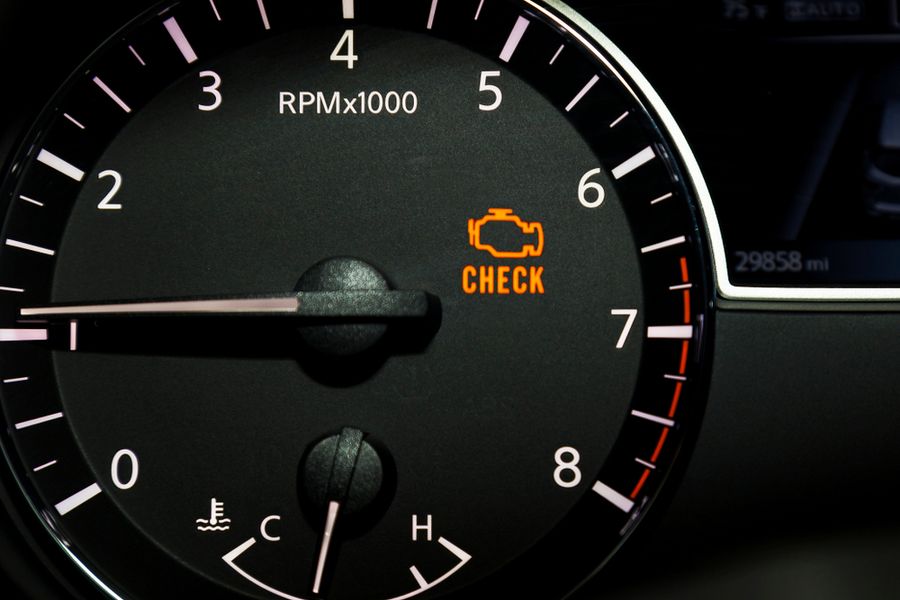
Dashboard warning lights often appear without warning, flashing symbols that can cause instant concern or confusion. Modern vehicles rely on sensors to communicate problems early, helping drivers address issues before serious damage occurs. Understanding what common dashboard lights mean can reduce stress, improve safety, and prevent costly repairs. Luckily, a glowing icon doesn't always signal an emergency, but ignoring one may turn a small issue into a major inconvenience.
Check Engine Light and What It Often Means
The check engine light ranks among the most common and misunderstood dashboard warnings. It can illuminate for a wide range of reasons, from a loose gas cap to engine or emissions issues. A steady light often indicates a non-urgent problem, while a flashing light usually signals something that requires immediate attention.
Common triggers include faulty oxygen sensors, worn spark plugs, or emissions system problems. While the vehicle may still drive normally, performance and fuel efficiency can suffer. Scheduling a diagnostic scan helps identify the exact cause. Addressing issues early often prevents more expensive engine repairs later.
Oil Pressure Warning Light
The oil pressure warning light indicates low oil pressure, which can lead to serious engine damage if ignored. Oil lubricates engine components, reducing friction and preventing overheating. When pressure drops, parts may grind against each other, causing rapid wear.
Possible causes include low oil levels, oil leaks, or a failing oil pump. Pulling over and checking oil levels as soon as safely possible helps prevent damage. Continuing to drive with low oil pressure risks costly repairs. Regular oil changes and inspections reduce the likelihood of seeing this warning light.
Battery and Charging System Light
A battery-shaped warning light usually signals a charging system issue rather than a dead battery alone. The alternator, battery, or electrical connections may not be supplying enough power to keep the vehicle running.
Symptoms may include dim headlights, electrical malfunctions, or difficulty starting the car. While the vehicle may continue running briefly, power loss can occur unexpectedly. Having the charging system tested helps pinpoint the issue. Addressing battery and alternator problems early prevents breakdowns and electrical failures.
Tire Pressure Monitoring System Light
The tire pressure monitoring system light alerts drivers to low or uneven tire pressure. Proper tire inflation supports handling, braking, and fuel efficiency. Temperature changes often trigger the light, especially during seasonal shifts.
Low tire pressure increases wear and reduces traction. Checking tire pressure and inflating tires to the recommended levels often resolves the issue. If the light remains on, a puncture or sensor problem may exist. Maintaining proper tire pressure improves safety and extends tire life.
Brake System Warning Light
The brake warning light indicates potential issues within the braking system. It may illuminate due to low brake fluid, worn brake pads, or a malfunction within the system. Some vehicles also use the light to signal that the parking brake remains engaged.
Brake problems require prompt attention due to safety risks. Reduced braking power or unusual noises often accompany warning lights. Checking brake fluid levels and scheduling an inspection helps ensure reliable stopping ability. Proper brake maintenance protects both vehicle occupants and others on the road.
Temperature and Engine Overheating Light
The engine temperature warning light signals overheating, which can cause severe engine damage if ignored. Overheating often results from coolant leaks, radiator problems, or faulty thermostats.
Steam from under the hood or rising temperature gauges often accompany the warning. Pulling over and allowing the engine to cool helps prevent damage. Continuing to drive while overheating risks warped engine components. Regular cooling system maintenance helps prevent temperature-related issues.
ABS and Traction Control Warning Lights
The ABS (anti-lock braking system) and traction control lights relate to systems designed to improve vehicle stability and control. When illuminated, they indicate that one or more safety features may not be functioning properly. Brakes will usually still work, but advanced features that prevent wheel lockup or loss of traction may be disabled.
Common causes include faulty wheel speed sensors, wiring issues, or system calibration problems. Driving carefully and avoiding slippery conditions becomes especially important when these lights appear. Scheduling a diagnostic check helps restore full safety functionality. Keeping tires in good condition and addressing warning lights promptly supports better handling and safer driving in challenging conditions.
Responding Calmly and Driving Smarter
Dashboard warning lights serve as early alerts designed to protect vehicles and drivers. Paying attention to warning symbols allows small problems to be addressed before becoming expensive repairs. Understanding common lights reduces panic and encourages informed decision-making.
A proactive approach to vehicle care builds confidence behind the wheel. Regular maintenance, prompt inspections, and familiarity with dashboard alerts help keep vehicles running safely and efficiently. When warning lights appear, informed responses support smoother driving experiences and long-term vehicle reliability.