

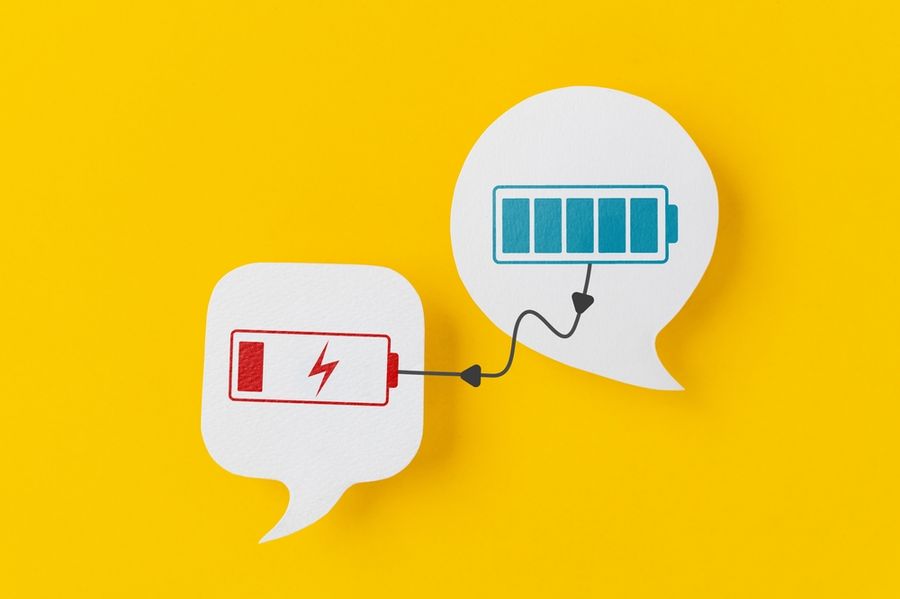
Energy slumps can strike at any point during the day, leaving focus low and motivation lagging. Reaching for another cup of coffee often feels tempting, yet too much caffeine may lead to jitters or crashes later on. Fortunately, there are natural energy boosters that support steady alertness while being gentler on the body. Simple habits involving movement, nourishment, and rest can help restore vitality and keep momentum going.
Fueling Up With a Healthy Snack
Food plays a major role in maintaining energy levels throughout the day. Balanced snacks that combine protein, healthy fats, and complex carbohydrates provide longer-lasting fuel than sugary options. Examples include apple slices with nut butter, yogurt with berries, or a small handful of nuts paired with fruit.
Timing matters as well. Eating a snack before energy dips too low helps prevent sluggishness and irritability. Regular nourishment supports stable blood sugar, which directly affects concentration and stamina. Thoughtful snack choices offer a reliable way to stay energized without relying on caffeine boosts.
Staying Hydrated for Steady Alertness
Dehydration often disguises itself as fatigue. Even mild fluid loss can reduce concentration, increase headaches, and lower physical energy. Drinking water consistently throughout the day supports circulation, digestion, and brain function.
Hydration habits remain simple and effective. Sipping water regularly, starting the day with a full glass, or adding hydrating foods like fruits and vegetables helps maintain balance. Herbal teas or infused water provide variety without caffeine. Proper hydration keeps energy levels more consistent from morning to evening.
Moving the Body With Light Exercise
Physical movement stimulates circulation and increases oxygen flow to the brain. A quick walk, gentle stretching, or light exercises help shake off sluggishness and improve alertness. Movement also releases endorphins that support mood and motivation.
Short activity sessions fit easily into busy schedules. Walking during breaks or doing a few minutes of stretching resets both mind and body. Regular light exercise prevents energy from dipping too sharply and supports overall physical health without exhausting reserves.
Using Breathing Exercises to Re-energize
Breathing patterns directly influence energy and focus. Slow, intentional breathing increases oxygen intake and helps regulate the nervous system. A few deep breaths can quickly improve mental clarity and reduce feelings of heaviness.
Energizing breathing techniques work well during mid-day slumps. Inhaling deeply through the nose and exhaling fully through the mouth activates alertness. Practicing breathing exercises during transitions offers a fast, equipment-free way to refresh energy levels naturally.
Power Naps and Strategic Rest
Short naps provide a powerful energy reset when used wisely. A rest period lasting 10 to 20 minutes can improve alertness, memory, and mood without interfering with nighttime sleep. Longer naps may lead to grogginess, so timing remains important.
Rest does not always mean sleeping. Closing eyes, lying down briefly, or engaging in quiet relaxation offers similar benefits. Strategic rest supports mental performance and reduces reliance on stimulants during long or demanding days.
Prioritizing Quality Sleep for Daily Energy
Energy levels depend heavily on sleep quality. Inconsistent sleep schedules or inadequate rest often lead to daytime fatigue that caffeine cannot fully fix. Supporting a regular sleep routine helps regulate energy, mood, and concentration throughout the day.
Small adjustments improve sleep quality. Dimming lights in the evening, limiting screen use before bed, and creating a calming bedtime routine encourage deeper rest. Waking at a consistent time also supports natural energy rhythms. When sleep becomes a priority, daytime energy feels more stable and sustainable without constant reliance on stimulants.
Small Tricks That Provide a Quick Boost
Some simple habits offer surprisingly effective energy support. Chewing gum increases alertness by stimulating blood flow to the brain. Exposure to natural light helps regulate circadian rhythms and promotes wakefulness.
Refreshing the environment also helps. Standing up, splashing cool water on the face, or changing locations resets attention. Listening to upbeat music or engaging in brief conversation provides mental stimulation. Small actions often deliver immediate benefits without the need for caffeine.
Building Natural Energy That Lasts
Sustainable energy grows from consistent daily habits rather than quick fixes. Hydration, nourishing snacks, movement, breathing, and rest work together to support alertness and focus. Each habit reinforces the others, creating a balanced approach to staying energized.
Reducing dependence on caffeine allows the body to regulate energy more naturally. Gentle strategies protect long-term well-being while supporting productivity and mood. When energy comes from supportive routines, days feel steadier, clearer, and easier to manage from start to finish.