

Staying active should feel supportive, not painful. Joint-friendly movement allows people of all ages to build strength, improve mobility, and boost energy without unnecessary strain. Low-impact exercise focuses on smooth, controlled motion that protects joints while still delivering powerful physical and mental benefits. With the right activities, movement becomes something to look forward to rather than avoid, even for anyone managing stiffness, soreness, or past injuries.
Walking for Gentle, Everyday Movement
Walking remains one of the most accessible low-impact exercises available. It supports cardiovascular health, strengthens muscles, and improves circulation without placing excessive stress on joints. Walking also encourages natural movement patterns that support balance and coordination over time.
Flexibility makes walking easy to maintain. Short walks throughout the day or longer strolls outdoors both provide benefits. Varying pace, terrain, or distance helps prevent boredom while keeping impact levels low. Comfortable footwear and good posture enhance joint comfort and make walking a sustainable long-term habit.
Swimming and Water-Based Exercise
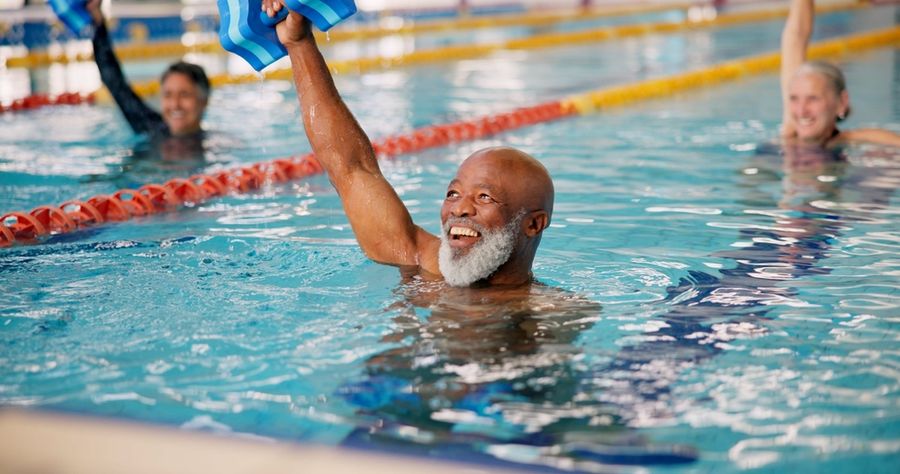
Water-based exercise offers exceptional joint protection. Buoyancy reduces pressure on hips, knees, and ankles while allowing full-body movement. Swimming, water walking, and aqua aerobics strengthen muscles and improve endurance without harsh impact.
Resistance from water adds gentle strength training benefits. Movements feel smooth and controlled, making aquatic exercise ideal for people with joint discomfort or limited mobility. Regular water workouts support flexibility, coordination, and cardiovascular health while keeping joints cushioned and supported throughout each session.
Cycling for Smooth, Controlled Motion
Cycling provides effective cardiovascular exercise with minimal joint stress. The smooth, circular pedaling motion reduces impact on knees and hips while strengthening lower-body muscles. Both stationary and outdoor cycling offer adaptable options for various fitness levels.
Adjusting seat height and resistance supports proper alignment and joint comfort. Cycling also allows intensity control, making it easy to increase or decrease effort as needed. Regular rides help build endurance, improve leg strength, and support heart health without the pounding associated with high-impact workouts.
Yoga for Strength, Balance, and Flexibility
Yoga combines gentle movement, stretching, and breath control to support joint health. Slow, controlled poses build strength while improving flexibility and balance. Many yoga styles emphasize alignment and body awareness, reducing unnecessary strain.
Modified poses and supportive props make yoga accessible for beginners and people with joint sensitivity. Regular practice encourages mobility and relaxation while reducing muscle tension. Yoga also supports mental well-being, making it a holistic option for low-impact movement that benefits both body and mind.
Tai Chi and Gentle Flow Movements
Tai chi focuses on slow, flowing movements that improve balance, coordination, and joint mobility. The controlled pace places minimal stress on joints while encouraging full-body engagement. Each movement transitions smoothly into the next, supporting flexibility and muscle control without sudden impact.
Gentle flow exercises like tai chi also promote body awareness and relaxation. Breathing remains steady and intentional, helping reduce tension while improving posture. Regular practice supports joint stability and may reduce stiffness over time. Because movements can be modified easily, tai chi works well for beginners and individuals seeking low-impact exercise that feels calming and restorative.
Elliptical Training and Low-Impact Cardio Machines
Elliptical machines simulate walking or running motions without impact. Feet remain in constant contact with pedals, reducing stress on joints while still delivering a cardiovascular workout. Resistance and incline adjustments allow customized intensity.
Other low-impact machines, such as rowing machines, provide full-body engagement with minimal joint strain. Controlled movement patterns strengthen muscles and improve endurance while supporting joint alignment. Using cardio machines offers consistency and convenience, especially for indoor workouts.
Strength Training with Joint-Friendly Techniques
Strength training doesn't have to involve heavy weights or high impact. Bodyweight exercises, resistance bands, and light dumbbells build muscle while protecting joints. Controlled movements help support stability and reduce injury risk.
Focusing on proper form and slower repetitions enhances joint safety. Exercises like seated leg lifts, wall push-ups, and gentle squats strengthen supporting muscles around joints. Stronger muscles help absorb impact during daily activities, improving joint comfort and overall movement confidence.
Moving Comfortably for Long-Term Joint Health
Low-impact exercise supports long-term mobility by encouraging consistent movement without unnecessary strain. Choosing joint-friendly activities allows the body to build strength, flexibility, and endurance while reducing discomfort. When movement feels good, staying active becomes easier and more enjoyable.
Sustainable fitness grows from listening to the body and selecting supportive activities. Walking, swimming, cycling, yoga, and gentle strength training create a balanced routine that protects joints while promoting overall health. With thoughtful choices, movement becomes a reliable tool for comfort, confidence, and lifelong well-being.