
Long hours at a desk can quietly drain your energy, stiffen your muscles, and leave your body craving movement. Many people assume staying active requires long workouts or extra time that already feels scarce. Fortunately, incorporating small bursts of movement throughout the day can help support circulation, posture, and focus. With a few intentional habits, even the most desk-bound routines can become more active and refreshing.
Desk Exercises That Fit Into Any Workday
Desk exercises provide an easy way to move without leaving a workstation. Seated leg lifts, ankle circles, shoulder rolls, and gentle spinal twists help improve circulation and reduce stiffness. Even brief movements performed regularly can wake up tired muscles and promote better posture during long stretches of sitting.
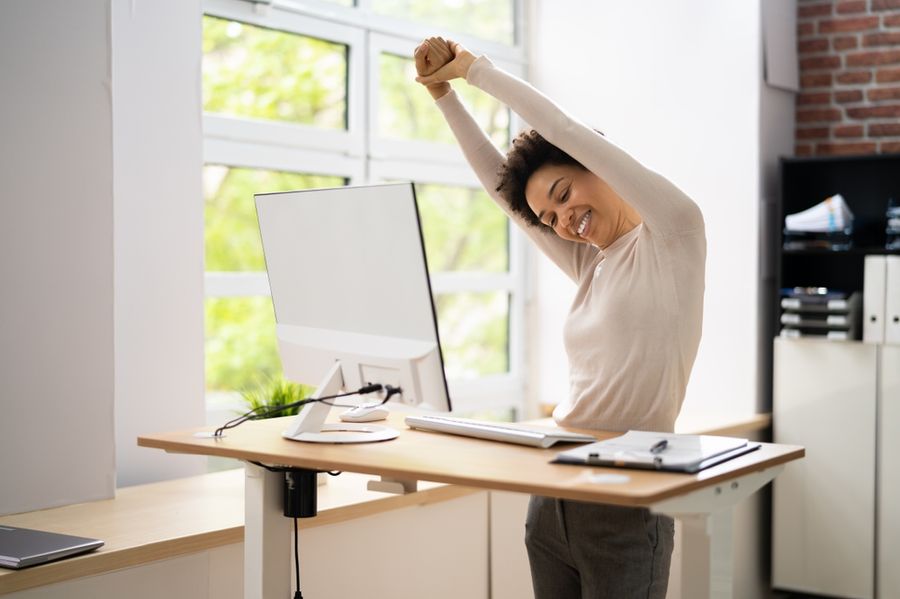
Standing desk exercises also add variety for those with adjustable setups. Bodyweight squats, calf raises, or wall push-ups require minimal space and no equipment. Pairing movement with routine tasks, such as phone calls or reading emails, keeps the body engaged while maintaining productivity throughout the day.
Turning Breaks Into Mini Movement Sessions
Breaks offer valuable opportunities to reset both body and mind. Rather than scrolling on a phone, standing up and stretching can relieve tension in the neck, shoulders, and lower back. Short movement breaks also help reduce mental fatigue and improve concentration when returning to tasks.
Walking during breaks provides even greater benefits. A quick loop around the office, home, or block boosts circulation and delivers a mental refresh. Setting a reminder every hour encourages consistency and prevents long periods of uninterrupted sitting from becoming the norm.
Walking Meetings and Active Conversations
Walking meetings offer a refreshing alternative to traditional seated discussions. Stepping outside or pacing indoors encourages natural movement while often sparking creativity and clearer thinking . Conversations tend to feel more relaxed and productive when paired with gentle motion.
Active conversations work well for one-on-one check-ins or brainstorming sessions. Even informal chats taken while walking can help increase daily step counts without requiring extra time. Comfortable shoes and weather-appropriate clothing make spontaneous walking meetings easier to embrace as part of a regular routine.
Making the Most of Stairs and Short Walks
Stairs present an often-overlooked opportunity for quick bursts of activity. Choosing stairs over elevators strengthens leg muscles, raises heart rate, and adds functional movement into the day. Even climbing a few flights makes a meaningful difference when repeated consistently.
Remember, short walks also add up over time. Parking farther away, walking to a colleague’s desk instead of sending a message, or taking a longer route to the restroom increases movement naturally. Small choices like these help build an active mindset without disrupting daily responsibilities.
Stretching and Mobility for Lasting Comfort
Stretching supports joint health and flexibility, especially for people who sit for extended periods. Neck stretches, chest openers, and hip flexor stretches counteract common desk-related tension. Regular mobility work can also reduce discomfort that often leads to fatigue or distraction.
Incorporating stretching into transitions makes consistency easier. Stretching after finishing a task or before starting a new one creates natural movement cues. Over time, improved mobility supports better posture and helps the body feel more comfortable throughout the workday.
Using Simple Tools to Encourage Movement
Small tools can make movement feel more inviting. Resistance bands, balance cushions, or under-desk pedal machines add gentle activity without demanding full workouts. Such tools support muscle engagement while allowing focus to remain on work tasks.
Technology also plays a role in encouraging movement. Activity trackers, phone reminders, or standing desk timers provide gentle nudges to move regularly. Visual cues and alerts help transform movement into a habit rather than an afterthought.
Creating a More Active Workday Rhythm
Movement works best when it becomes a natural part of the workday rather than something reserved for free time. Short, frequent bursts of activity help maintain energy, support circulation, and prevent stiffness from building up hour after hour. Even light movement encourages better posture and can make long periods of sitting feel far more manageable.
An active rhythm develops through simple, repeatable habits that fit personal routines. Standing up regularly, walking whenever possible, and stretching between tasks create a steady flow of movement without disrupting productivity. Over time, small choices add up to meaningful physical benefits, helping the body feel stronger, more comfortable, and better equipped to handle long days spent at a desk.