

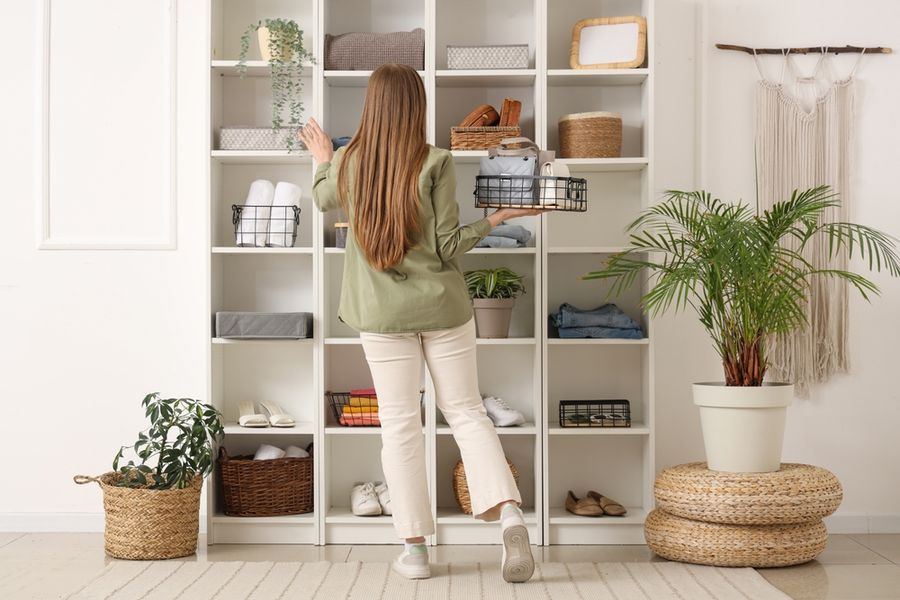
A calm home environment supports clearer thinking, lower stress levels, and a greater sense of comfort. When clutter builds up, spaces can start to feel overwhelming rather than relaxing. Fortunately, creating a clutter-free living space doesn't require perfection or a complete overhaul. Thoughtful organization, intentional design choices, and simple daily habits help transform a home into a place that feels peaceful, functional, and easy to maintain.
Starting With a Clear Vision for Your Space
A calm living space begins with a clear purpose for each room. Understanding how a space should function makes it easier to decide what belongs and what does not. Rooms that serve too many purposes often attract clutter because items lack defined homes.
Taking time to visualize how each space should feel also helps guide decisions. A relaxing living room, a focused workspace, or a cozy bedroom all benefit from different layouts and storage solutions. When the intended use stays clear, decluttering choices feel more intentional and less emotionally draining.
Decluttering in Small, Manageable Steps
Decluttering feels overwhelming when tackled all at once. Breaking the process into smaller tasks creates steady progress without burnout. Focusing on one drawer, shelf, or corner at a time makes the process approachable and achievable.
Setting short time limits also helps maintain momentum. Even ten or fifteen minutes of focused decluttering adds up quickly. Letting go of items that no longer serve a purpose creates physical and mental breathing room. Gradual decluttering builds confidence and encourages long-term habits that prevent clutter from returning.
Creating Smart Storage Solutions
Effective storage plays a major role in maintaining a clutter-free home. Storage solutions work best when they match daily habits rather than forcing complicated systems. Baskets, bins, shelving, and drawer organizers help contain items while keeping them accessible.
Designating specific homes for everyday belongings reduces visual noise. Entryway storage for shoes and bags, kitchen organizers for utensils, and bathroom containers for toiletries prevent items from spreading across surfaces. When storage feels intuitive, tidying becomes quicker and far less stressful.
Reducing Visual Clutter for a Peaceful Feel
Visual clutter affects mood even when physical clutter feels minimal. Too many decorative items, colors, or patterns can overwhelm the senses. Simplifying surfaces helps spaces feel lighter and more serene.
Leaving open space on shelves and countertops allows the eye to rest. Choosing a limited color palette or cohesive décor style creates harmony throughout a room. Thoughtful display of meaningful items maintains personality while supporting a calm atmosphere that encourages relaxation.
Building Daily Habits That Prevent Clutter
A clutter-free home relies on consistent habits rather than occasional deep cleans. Small daily routines prevent mess from accumulating. Simple actions like returning items to their designated spots keep spaces under control.
Resetting rooms at the end of the day helps maintain order. Putting away stray items, wiping surfaces, and preparing for the next day creates a sense of closure. Over time, these habits become automatic and reduce the need for major decluttering sessions.
Letting Go of Guilt and Perfection
Clutter often carries emotional weight. Guilt about unused items or pressure to create a perfect home can stall progress. Releasing unrealistic expectations allows decluttering to feel supportive rather than stressful.
A calm living space reflects personal comfort, not perfection. Allowing flexibility and grace makes the process sustainable. Letting go of items that no longer fit current needs opens space for ease and clarity, both physically and mentally.
Choosing Furniture That Supports Calm and Flow
Furniture choices strongly influence how calm a space feels. Oversized or unnecessary pieces can crowd rooms and disrupt movement, making spaces feel chaotic rather than restful. Selecting furniture that fits the scale of the room helps maintain openness and flow.
Multi-functional furniture supports clutter-free living as well. Storage ottomans, beds with drawers, or coffee tables with shelving reduce the need for extra storage units. Leaving enough open floor space improves visual balance and makes cleaning easier. Thoughtful furniture placement encourages ease of movement and creates an environment that feels intentional, comfortable, and naturally calming throughout the home.
Creating a Home That Feels Calm Every Day
A clutter-free living space supports well-being by reducing daily stress and mental overload. When rooms feel intentional and organized, daily routines become smoother and more enjoyable. Calm surroundings encourage relaxation and focus, creating a more balanced home environment.
Maintaining a peaceful space comes from small, consistent choices rather than dramatic changes. Thoughtful decluttering, smart storage, and simple habits work together to support long-term calm. A home designed with clarity and care becomes a place that truly restores energy and comfort each day.