

Homes quietly endure changing weather, daily wear, and shifting temperatures throughout the year. While major repairs often get attention, smaller seasonal maintenance tasks tend to slip through the cracks. Overlooking routine upkeep can lead to higher energy bills, safety risks, and costly repairs down the road. Staying ahead of often-forgotten maintenance helps protect a home’s structure, improve efficiency, and maintain comfort through every season with far less stress.
Cleaning Gutters and Downspouts Regularly
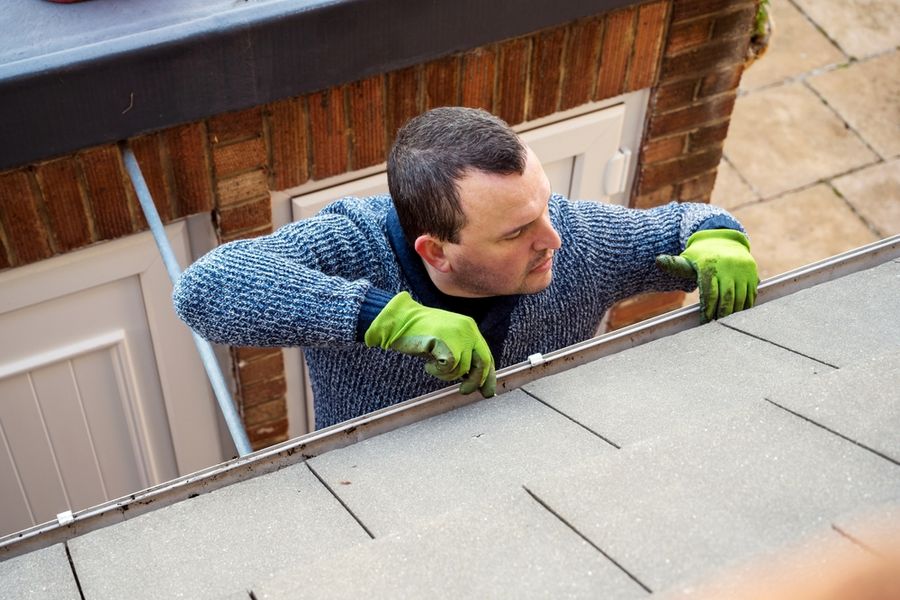
Gutters play a critical role in directing water away from the home, yet they are frequently overlooked. Leaves, debris, and dirt can clog gutters, causing water to overflow and pool near the foundation. Over time, poor drainage may lead to roof damage, basement leaks, or soil erosion around the home.
Cleaning gutters at least twice a year supports proper water flow. Downspouts should also be checked to ensure water drains several feet away from the house. Installing gutter guards may reduce debris buildup, but inspections remain important. Clear gutters help prevent moisture-related damage and protect both the roof and foundation from long-term issues.
Inspecting Roof Shingles and Flashing
Roof damage often develops gradually and remains unnoticed until leaks appear. Missing, curling, or cracked shingles allow moisture to penetrate roofing layers, leading to interior damage and mold growth. Flashing around chimneys, vents, and skylights also requires regular inspection, as loose or damaged flashing creates common entry points for water.
Seasonal visual inspections from the ground or with binoculars help spot potential issues early. After storms or heavy winds, checking for debris or visible damage becomes especially important. Addressing minor roof concerns promptly extends roof lifespan and prevents costly repairs caused by prolonged water exposure.
Checking and Cleaning Dryer Vents
Dryer vents often receive far less attention than lint traps. Lint buildup inside vent ducts restricts airflow, causing dryers to work harder and increasing fire risk. Clothes taking longer to dry often signal a clogged vent.
Seasonal vent inspections help improve dryer efficiency and safety. Disconnecting and cleaning vents removes trapped lint and debris. Exterior vent covers should open freely and remain clear of obstructions. Proper airflow reduces energy use, extends appliance lifespan, and significantly lowers fire hazards associated with blocked dryer vents.
Inspecting HVAC Systems and Replacing Filters
Heating and cooling systems require regular attention to operate efficiently. Dirty filters restrict airflow, forcing HVAC systems to work harder and consume more energy. Poor airflow also reduces indoor air quality and comfort.
Replacing filters every few months supports efficient operation and cleaner air. Seasonal HVAC inspections help identify worn components, refrigerant issues, or airflow problems before extreme temperatures arrive. Professional servicing, when needed, prevents breakdowns during peak seasons. Regular HVAC maintenance improves reliability, lowers utility bills, and extends system lifespan.
Sealing Cracks, Gaps, and Drafts
Small cracks and gaps around windows, doors, and siding allow air and moisture to enter the home. Drafts increase heating and cooling costs while making indoor spaces less comfortable. Over time, moisture intrusion may contribute to mold or structural damage.
Seasonal inspections help identify areas needing caulking or weatherstripping. Sealing gaps improves energy efficiency and indoor temperature control. Attention to exterior penetrations, such as utility lines, also prevents pest entry. Simple sealing tasks offer high returns by improving comfort and reducing energy waste year-round.
Inspecting the Foundation and Exterior Structure
Foundations support the entire home, yet early warning signs often go unnoticed. Small cracks, uneven surfaces, or moisture buildup may indicate shifting or drainage problems. Ignoring foundation issues can lead to costly structural repairs.
Seasonal checks around the home’s perimeter help catch problems early. Observing changes after heavy rain or temperature shifts provides valuable insight. Ensuring proper grading and drainage directs water away from the foundation. Prompt attention to minor issues helps preserve structural integrity and long-term stability.
Testing Smoke and Carbon Monoxide Alarms
Safety devices require regular testing to remain reliable. Smoke and carbon monoxide alarms protect occupants from fire and dangerous gas exposure, yet batteries often go unchecked for months or years.
Testing alarms seasonally ensures proper operation. Batteries should be replaced at least once a year or whenever the alerts sound weak. Alarms themselves have expiration dates and require replacement every several years. Maintaining functional safety devices provides peace of mind and essential protection for everyone in the home.
Protecting Your Home Through Consistent Seasonal Care
Seasonal maintenance keeps homes safe, efficient, and comfortable throughout the year. Addressing small tasks prevents minor issues from turning into expensive repairs. Regular upkeep also supports energy savings and improves overall home performance.
Building maintenance into seasonal routines simplifies the process. Checklists and reminders help ensure nothing is overlooked. With consistent attention to often-forgotten tasks, homeowners protect their investment and create a safer, more reliable living environment that stands up to changing seasons with confidence.