

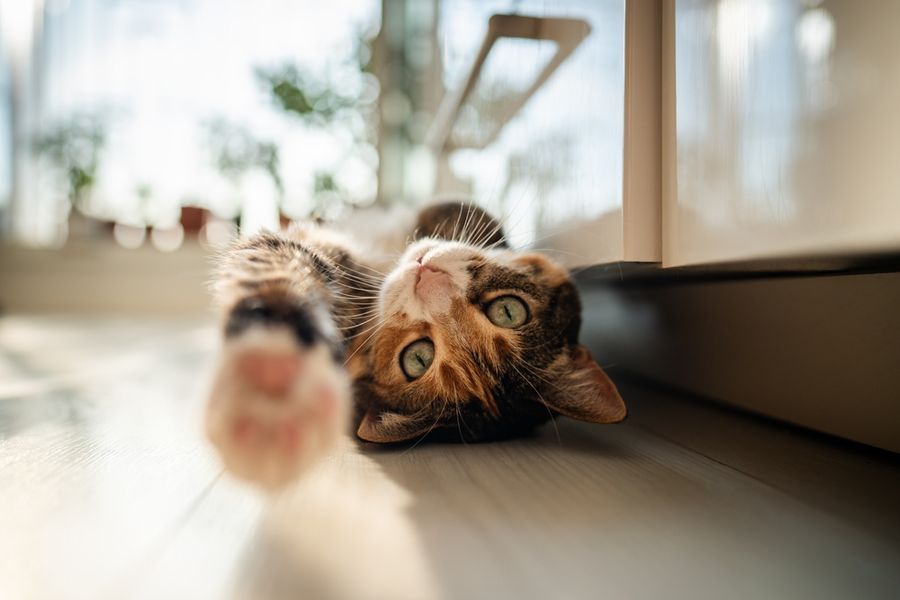
Cats have a special talent for being both hilarious and mysterious at the same time. One minute, they act regal and independent, and the next, they sprint across the room for no obvious reason. While many feline behaviors look silly or random, most have clear meanings rooted in instinct, communication, or comfort. Understanding why cats behave the way they do helps strengthen the bond between pets and owners while making those funny moments even more enjoyable.
The Zoomies at Odd Hours
Sudden bursts of energy, often late at night or early in the morning, are commonly called the zoomies . Cats may race through rooms, leap onto furniture, or skid across floors at top speed. While amusing to watch, zoomies usually reflect built-up energy that needs release.
Indoor cats, especially younger ones, rely on short bursts of intense activity to mimic hunting behavior. Without enough playtime during the day, energy builds until it explodes into nighttime chaos. Interactive toys and regular play sessions help channel that energy earlier, reducing midnight sprints and surprise acrobatics.
Kneading Blankets, Pillows, and People
Kneading involves rhythmic pushing with front paws, often on soft surfaces. Many cats knead blankets, pillows, or even human laps while purring contentedly. The behavior looks adorable, though claws sometimes make it less comfortable.
Kneading originates in kittenhood, when kittens knead their mother’s belly to stimulate milk flow. Adult cats often knead when feeling relaxed, safe, and affectionate. Soft textures trigger comforting memories. While kneading signals contentment, trimming nails or offering a thick blanket protects skin during cuddle sessions.
Knocking Things Off Tables on Purpose
Cats pushing objects off surfaces often appear mischievous. Pens, cups, or small décor items mysteriously tumble to the floor under careful feline observation. The behavior can seem intentional and oddly strategic.
Cats explore their environment using paws and curiosity. Watching objects fall helps test cause and effect while satisfying natural hunting instincts. Attention also plays a role, as reactions from humans can reinforce the behavior. Providing puzzle toys and interactive play helps redirect curiosity away from fragile surfaces.
Sitting in Boxes and Small Spaces
Cats squeezing into boxes, baskets, or tight spaces often looks funny, especially when containers appear far too small. Despite plenty of open space, cats gravitate toward confined areas .
Small spaces provide warmth, security, and a sense of protection. In the wild, tight spaces reduce vulnerability to predators. Boxes also reduce stress by limiting sensory input. Providing cozy hideouts throughout the home supports emotional comfort and helps cats feel safe, especially in busy households.
Chattering at Birds and Windows
Chattering involves rapid clicking or chirping sounds when cats watch birds, squirrels, or insects through windows. The sound seems almost comical and often surprises first-time cat owners.
The behavior likely stems from hunting frustration or excitement. Cats instinctively prepare to pounce, and chattering may represent suppressed prey-drive reactions. Some experts believe it mimics killing bites. Window perches and interactive toys that simulate hunting help satisfy instincts and reduce frustration.
Following People Into the Bathroom
Cats frequently follow owners into bathrooms, watching closely or even demanding attention. The lack of privacy often feels amusing and slightly intrusive.
Bathrooms represent quiet, enclosed spaces where owners remain stationary. Cats feel safe during close proximity and enjoy predictable routines. Running water, warmth, and limited distractions add appeal. The following behavior often signals affection, curiosity, or desire for interaction rather than neediness.
Slow Blinking and Staring Contests
Slow blinking often looks amusing, especially when cats lock eyes and blink dramatically at their humans. Some cats even hold intense staring contests before slowly closing and reopening their eyes. While the behavior may seem random, it carries meaningful communication.
Slow blinking signals trust, comfort, and affection. In feline language, closing the eyes around someone indicates safety rather than vulnerability. Many cats use slow blinks as a friendly gesture toward people and other animals. Returning the blink often strengthens the bond and reassures the cat. Staring without blinking, however, can signal curiosity or alertness. Understanding eye communication helps owners better interpret mood and emotional connection.
Laughing More by Understanding Feline Quirks
Funny cat behaviors often make daily life more entertaining, yet understanding their meanings deepens appreciation. Most quirky actions stem from instinct, comfort, or communication rather than randomness. Recognizing underlying reasons helps owners respond more thoughtfully.
Cats express emotions subtly and creatively. When behaviors are understood rather than dismissed, relationships grow stronger and more rewarding. Embracing feline quirks turns everyday moments into opportunities for connection, laughter, and mutual understanding that make living with cats endlessly enjoyable.